

Best Time of Year for Land Clearing in the Ozarks
If you’re planning to clear land in southwest Missouri, the short answer is: late November through February is your best window. Winter gives you firm ground, no leaves on the trees, no ticks or snakes, and contractors who have time to do the work right. Spring is the worst time of year to clear — and most folks don’t realize it until they’re watching their property turn into a mud bath.
TL;DR:
– Best: Late November through February — firm ground, no foliage, no pests, better pricing
– Good: Late October through mid-November — ground still firm, cool weather
– Avoid: March through May — muddy, soft ground, equipment damages property
– Tolerable: June through September — hot, dense growth, ticks and chiggers, but workable
– Cedar, blackberry thickets, and honeysuckle are easiest to clear in winter when they’re not hidden by leaves
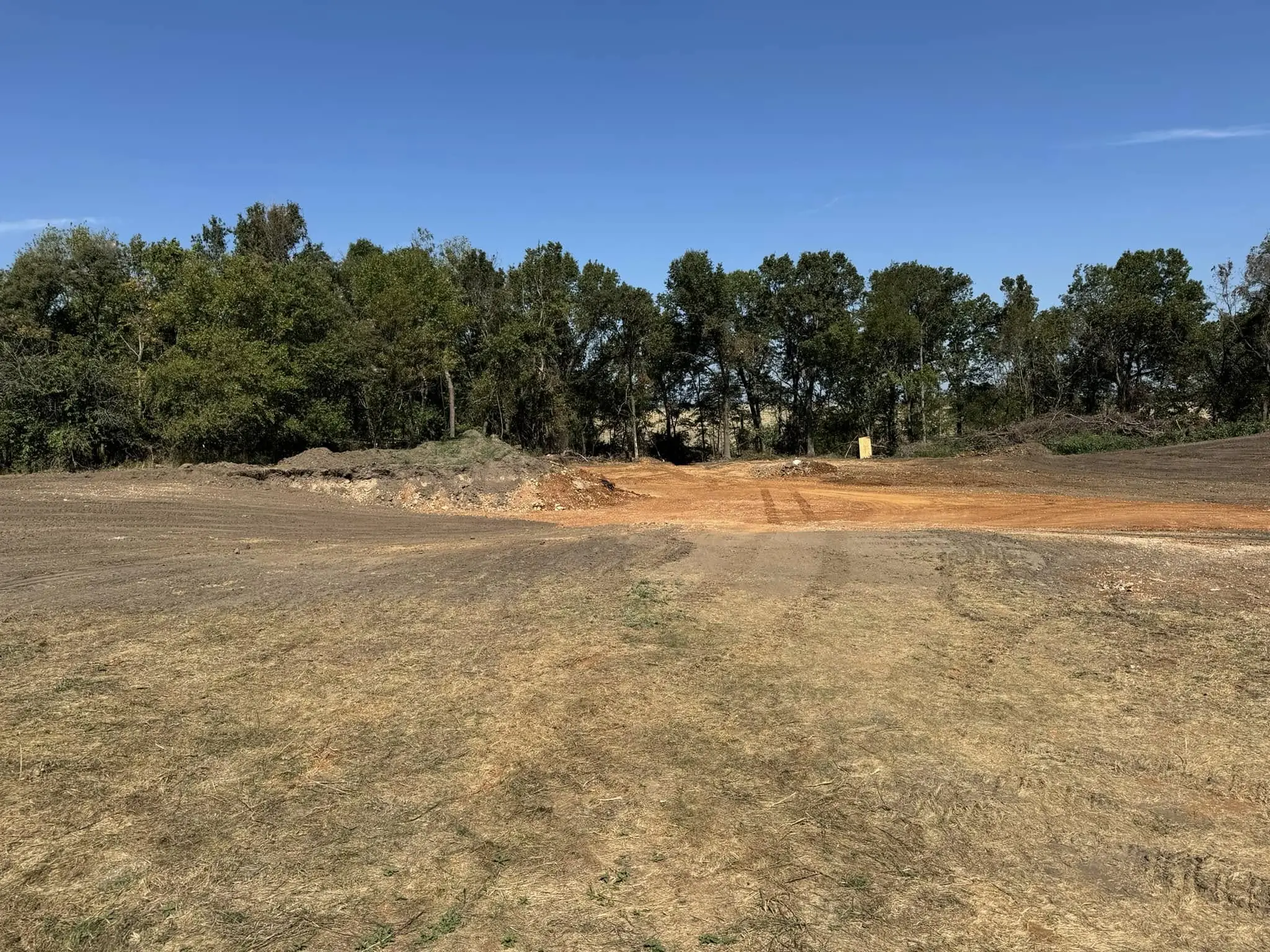
Why Winter Is the Best Time to Clear Land in Southwest Missouri
Winter clearing works better because the ground is hard. When soil is frozen or firm from dry cold, a track loader or skid steer can move across it without tearing ruts or bogging down. On a rain-soaked February day you’d be in trouble — but the Ozarks typically hit dry, cold stretches in late December and January where we can run equipment for days without causing damage to the property.
The second big reason is visibility. Once the leaves drop off the oaks, hickories, and understory brush, you can actually see what’s on your land. That matters when you’re deciding what to keep. A 60-year-old white oak hidden inside a honeysuckle thicket is invisible in July. In January it’s obvious, and we can clear around it instead of through it.

Winter also kills the pest problem. Ticks, chiggers, and copperheads are dormant below the frost line. For the crew, that’s a comfort. For the property owner walking the site afterward to check our work, it’s a bigger one.
Citation capsule: In the Missouri Ozarks, land clearing projects completed between late November and February typically produce less soil disturbance, better sightlines through leafless canopy, and fewer pest encounters than work done in spring or summer. Winter conditions also reduce equipment delays from saturated ground — a common issue from March through May when the region averages its wettest months.
Why Spring Is the Worst Time
Spring looks like the right time. Everybody’s thinking about projects, the weather’s warming, and it feels like the start of building season. But from an equipment standpoint, March through May is a disaster for land clearing in this part of Missouri.
Here’s what happens. The ground thaws and becomes saturated. Then we get our wettest months of the year — late March, April, and May routinely bring 4-6 inches of rain per month. Soft, wet clay soil plus heavy equipment equals deep ruts, compacted earth where you didn’t want it, and scenery that looks like a battlefield instead of a cleared lot.
If we’re forced to clear in spring because a project can’t wait, it typically costs more. The crew has to work around weather delays, use plywood mats to protect ground, and come back to smooth out damage. Fence rows and open pasture clearing can sometimes still work in late spring if we get a dry stretch. But dense woods or anywhere with topsoil you want to preserve — we’d rather wait for the ground to firm back up.

How Ozarks Vegetation Changes What Season Works
What you’re clearing matters as much as when. Here’s how common SW Missouri vegetation behaves across the year:
Eastern Red Cedar
Cedar is the single biggest clearing job most SW Missouri landowners face. It’s invasive, it chokes out pasture, and it’s a fire hazard when it gets dense. Cedar keeps its foliage year-round, so winter doesn’t give you a big visibility advantage — but the frozen ground does help the mulcher or skid steer move cleanly between trunks. Cedar is also full of volatile oils that burn hot if you’re planning a brush pile burn. Winter burn bans in some Missouri counties limit that option, so we often haul or chip the debris instead.
Oak, Hickory, and Other Hardwoods
Deciduous hardwoods are far easier to clear in winter. Leaves are gone, you can see the actual branch structure and trunk quality, and cutting is cleaner. If you want to keep certain trees, mark them in January when visibility is best.
Blackberry, Honeysuckle, and Multiflora Rose
These invasive thickets are the reason lots of SW Missouri pasture reverts to brush within a few seasons. They’re all easier to push and pile in winter when the canes are bare. Multiflora rose especially — those thorns tear up tires and lines in summer when the plant is fully leafed and whippy. Winter-cut, it’s easier to handle.
Standing Dead Timber
Dead standing trees (storm damage, cedar blight, oak wilt) can be cleared any time, but winter is safer. There’s no leaf canopy hiding hanging branches, and the ground gives you stable footing for equipment.
What About the Cold Snaps and Ice Storms?
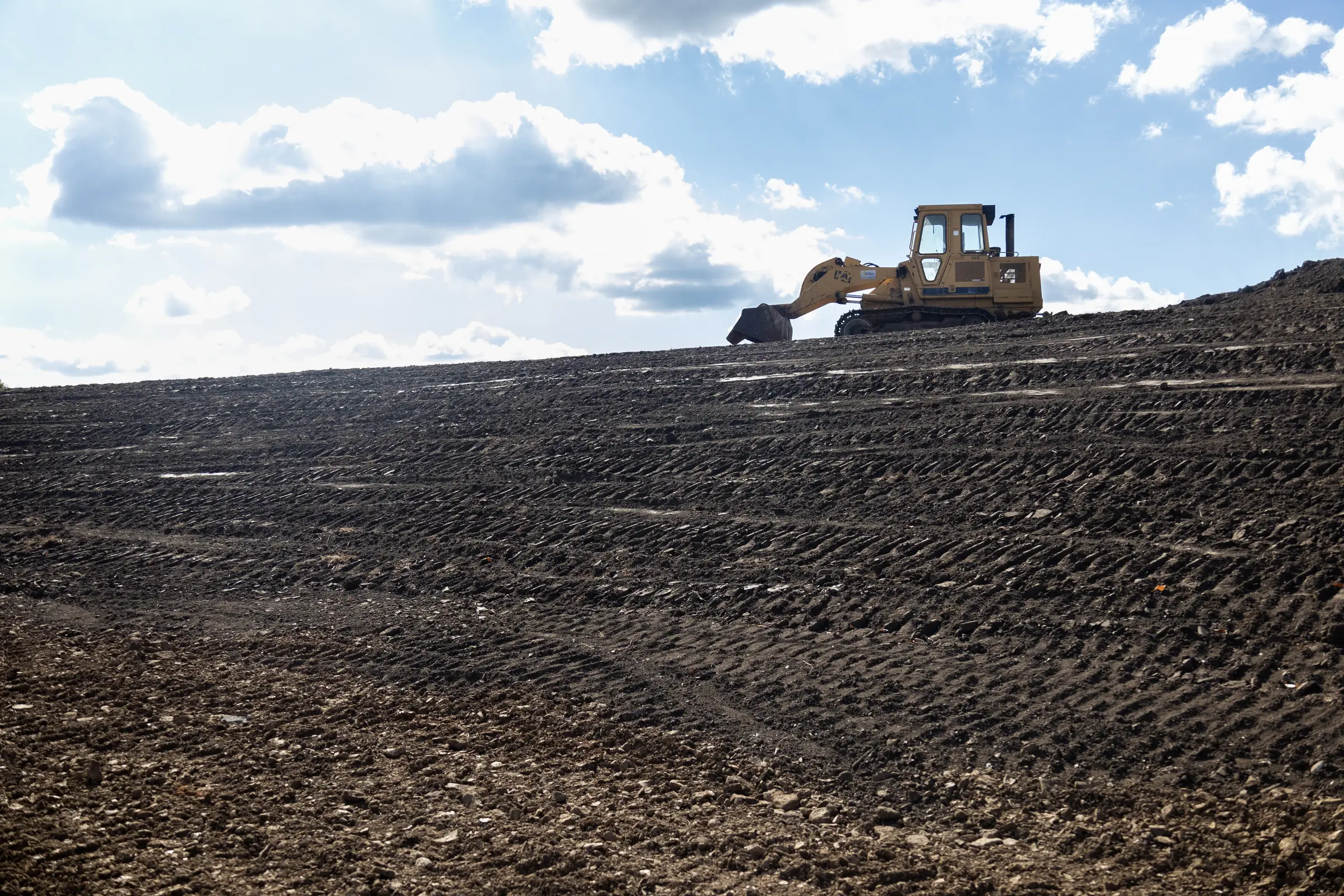
SW Missouri winters aren’t postcard-perfect. We get ice storms, the occasional 6-inch snow, and a few days below 20°F each year. That does slow down some projects — nobody’s running heavy equipment during an active ice event. But those hard-stop days are usually 2-4 per month at most. Compare that to spring, where a rainy week can shut down a clearing job for 10 days straight.
One honest trade-off: winter daylight is short. From mid-December to early February we’re losing good light by 5 PM. For big clearing jobs that need multiple days, that compresses the schedule. Summer work can run until 8 PM if needed. Winter work can’t.
The other consideration: stump grinding and fine grading work better on thawed ground. If your project includes removing stumps below grade or getting a site ready for a foundation pour, the cleaner sequence is to clear in winter, then come back in late spring once the ground thaws to finish grade work.
Planning Your Clearing Project: What to Do Now
Land clearing isn’t the kind of job you schedule two weeks out. Good contractors book their winter clearing work starting in October. If you’re thinking about a project for next winter, the time to get on a schedule is early fall.
Here’s what to have ready when you call:
- A rough acreage number. Even a best guess helps us estimate time and cost.
- Access point. Where can equipment get onto the property? This affects everything.
- What stays, what goes. If you want to keep certain trees or structures, mark them or be ready to walk the property with the crew.
- What happens to the debris. Chip, burn, or haul. Each has cost and permitting implications.
- Next use. Is this clearing for a house pad, a pasture, a driveway, a pond? The end goal changes how the clearing gets done.
If you’re in the Walnut Grove, Springfield, Republic, Bolivar, Nixa, or Ozark area and you’re thinking about a winter clearing project, call Calvin Smith Excavating at (417) 719-0643 for a free estimate. We’ll walk the property with you, talk through the work honestly, and give you a number that covers the whole job.
Frequently Asked Questions
What’s the actual cost range for land clearing in SW Missouri?
Cost varies by what’s on the land. Light brush and small cedar runs $1,500-$3,000 per acre. Dense woods with mature hardwoods and stumps can run $4,000-$8,000 per acre or more. Hauling debris adds cost over burning or chipping on site. Every property is different, which is why we walk it before quoting.
Can you clear land when the ground is frozen solid?
Yes, and it’s often the best time. Frozen ground holds equipment weight without rutting. The main limit is if the freeze is so deep that stump grinding or trenching is impossible, but for surface clearing and brush removal, hard-frozen ground is ideal.
Do I need a permit to clear my own land in Missouri?
For most rural residential clearing, no permit is required. Exceptions: work in designated riparian zones near streams, clearing that triggers erosion rules, or any burn that violates your county’s burn ban. We know the Greene, Polk, and Christian County rules and will flag anything that needs attention before we start.
How long does land clearing take per acre?
A straightforward acre of mixed brush and small cedar typically takes one full day for a two-person crew with a skid steer and track loader. Dense hardwood takes 2-3 days per acre. Stump removal and final grading add time. Weather is the wild card — we plan 20% extra time in winter months to account for weather delays.
Will clearing kill the grass underneath?
If we clear in winter, the grass underneath is dormant anyway. Done right, the existing pasture or lawn comes back in spring with minimal damage. Summer clearing is harder on turf because the ground is soft and green plants get torn up. This is another reason winter is cleaner — your recovery is faster.
Planning a clearing project in southwest Missouri? Calvin Smith Excavating serves Walnut Grove, Springfield, Republic, Bolivar, Ash Grove, Willard, Nixa, and Ozark with land clearing, grading, and site prep. Free estimates, owner-operated, USDOT 4119419. Call (417) 719-0643.